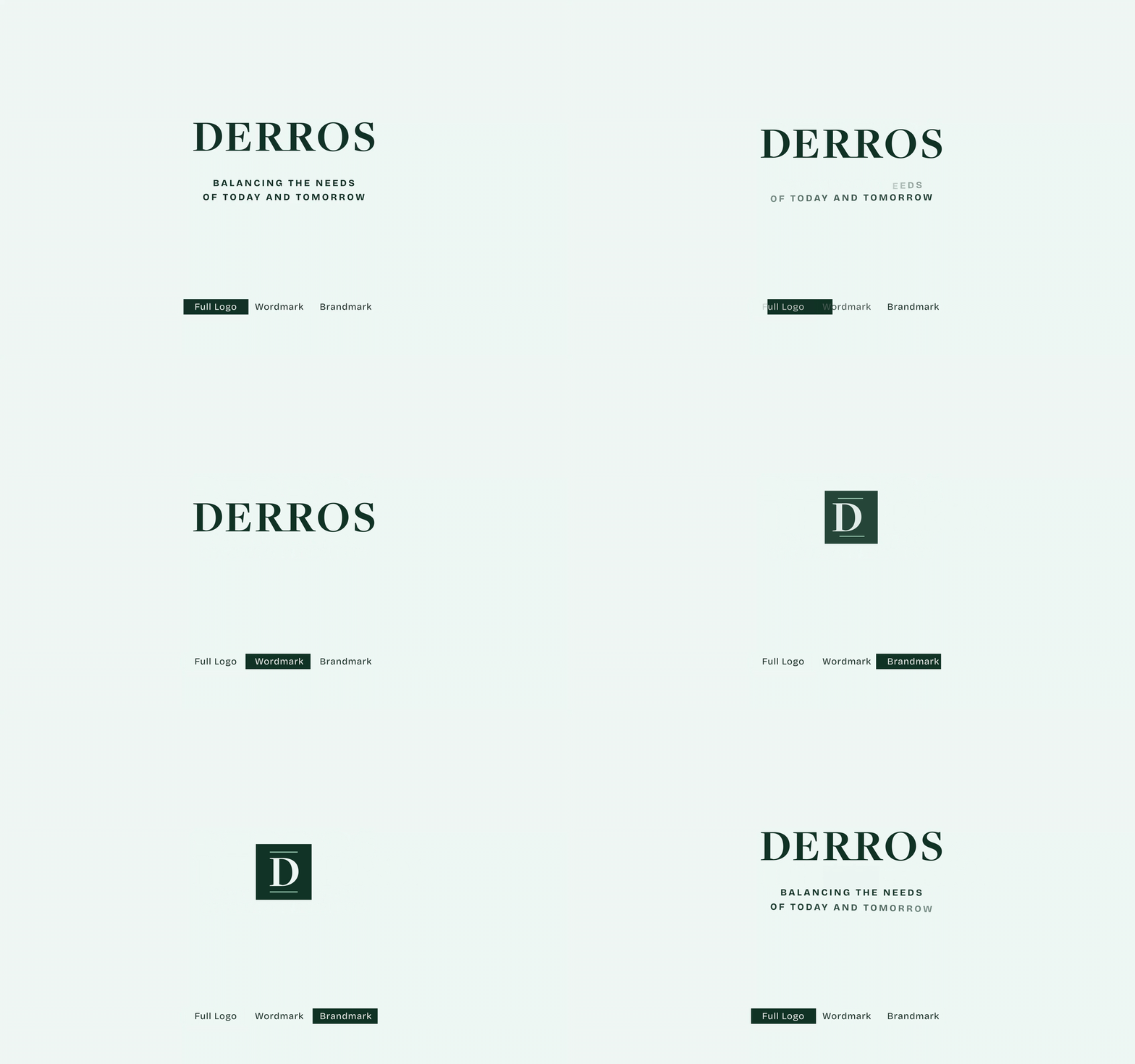
Logo with variants
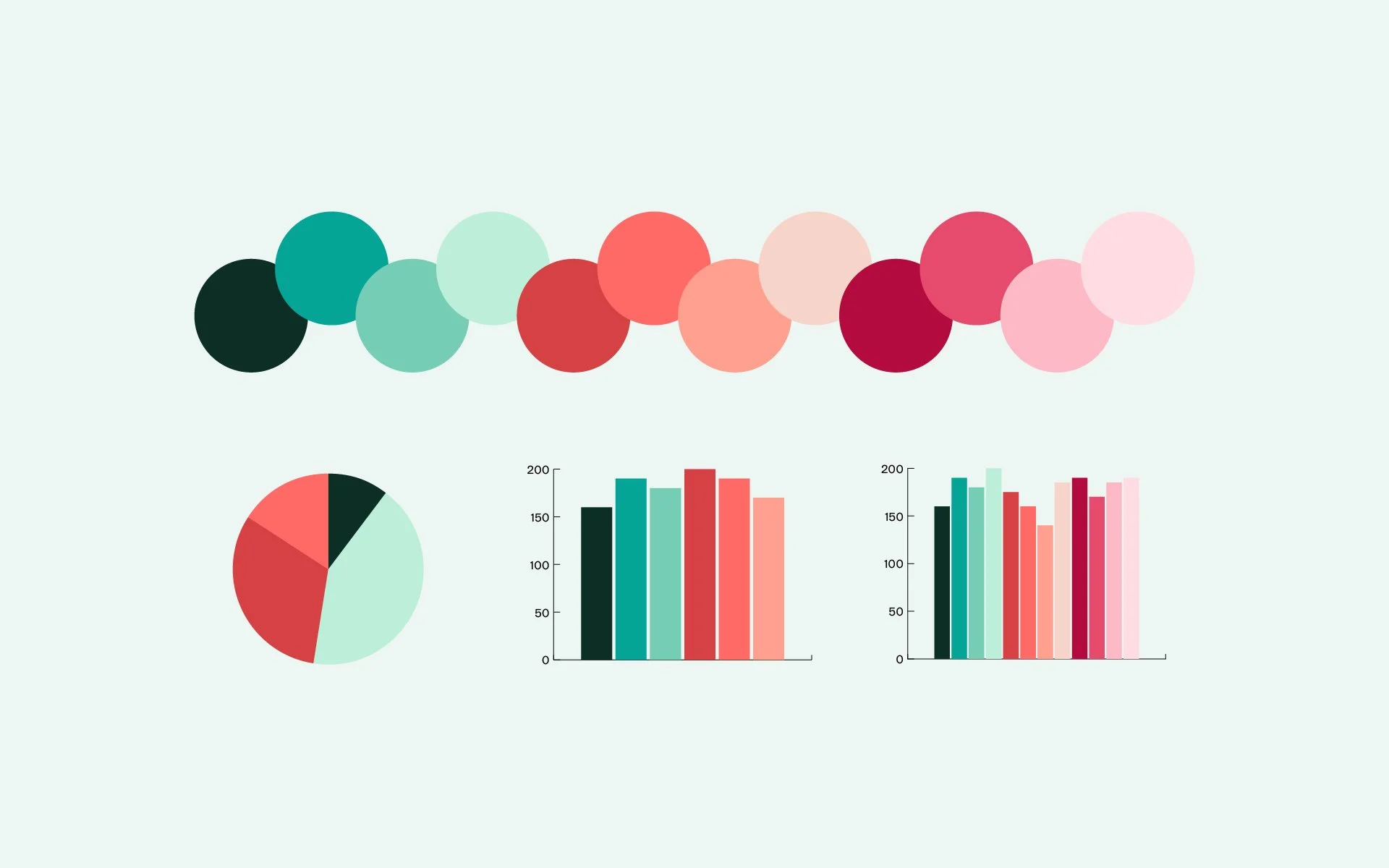
Colour palette
Fonts
Brand visual styling
Brand book
Slide deck
Tallow | 2026
Brand Identity
Menu Design
-
As a startup, Toby and James did what many do: set up a quick DIY brand to get them started. Needs must and makes sense.
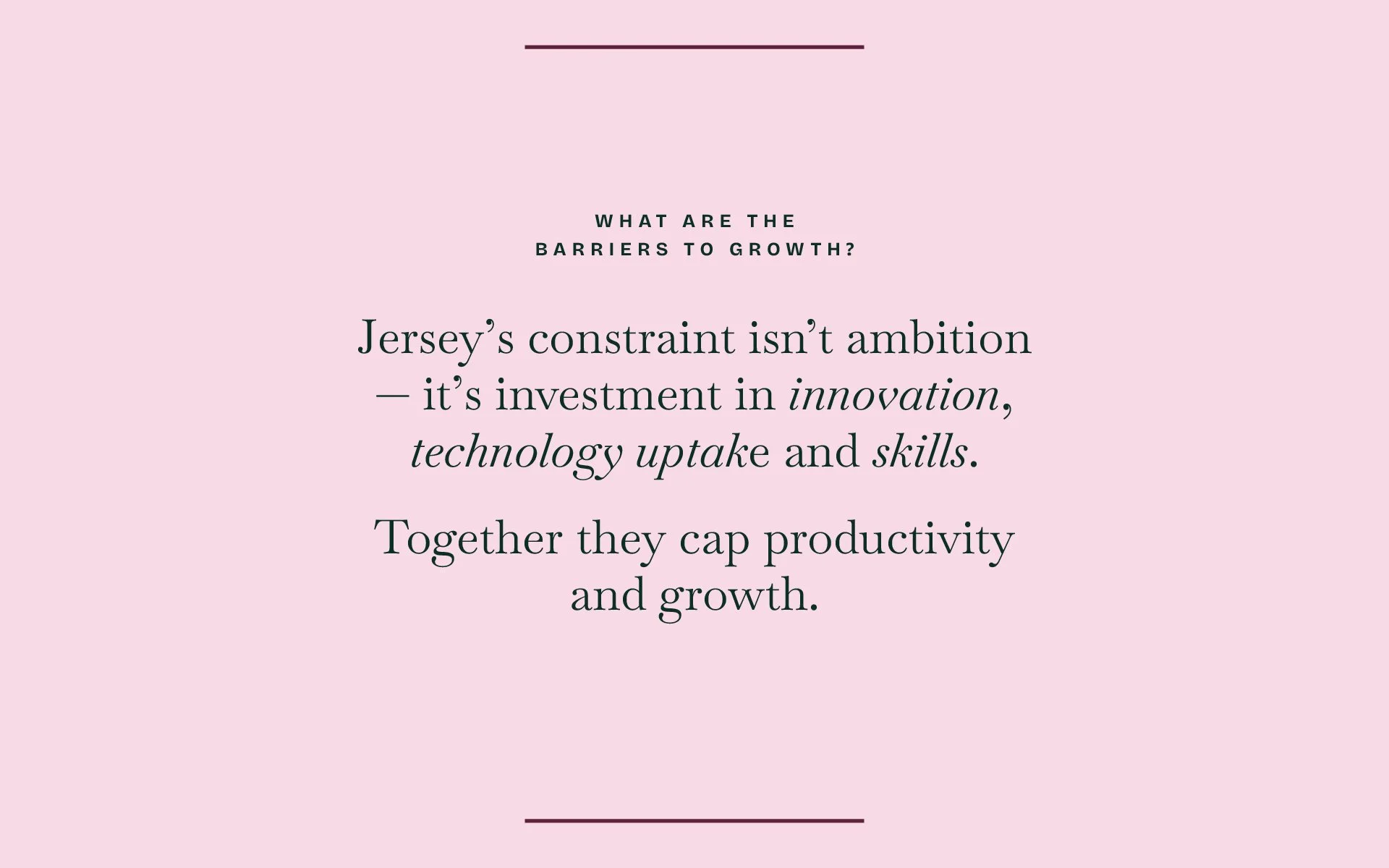
Our first project together was elevating a slide deck. As economists, they were presenting key data to a large local audience at the Digital Jersey annual review. The deck was full of great research, but it was busy and would be tricky to follow for the audience – it needed to move from DIY to professional in order to help the data land with the right authority.
I decluttered the slides, streamlined the messaging, and tidied up the fonts and colours so the information had breathing room. Less is more when you need to share lots of complex information.
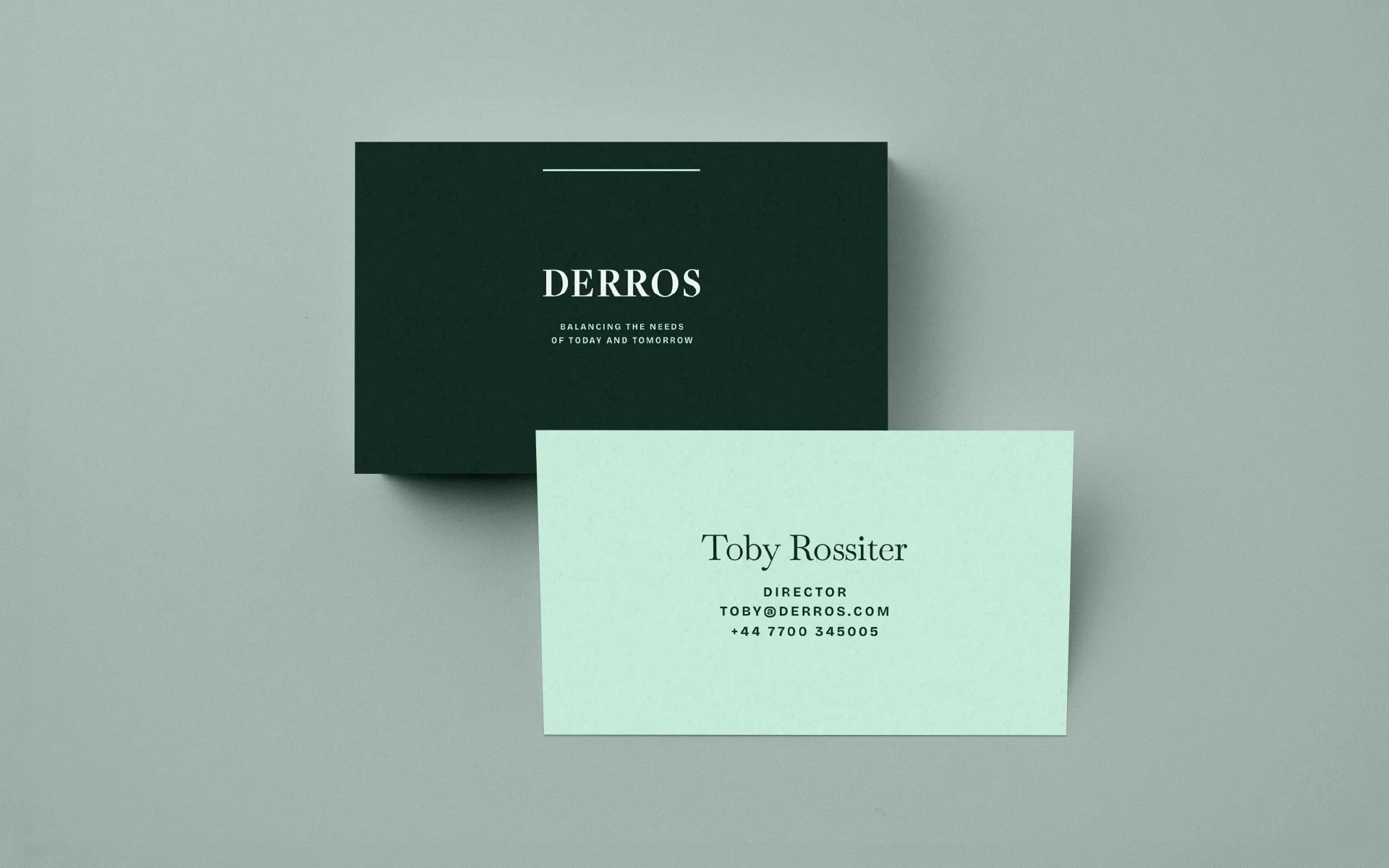
After this success, the conversation naturally turned to an overall look at the brand. They will present high-level data regularly and don’t want to be let down by amateur aesthetics. The overarching brief for the look was:
‘Professional but not too corporate; credible but more approachable/fun than Oxford Economics/McKinsey.’
-
The theory behind the building:
The logo is a wordmark. This means it’s a text-only logo without added symbols or icons. For most anticipated client use cases, a brandmark or symbol would be unlikely to be needed and could distract from the simple memorability of a strong wordmark.
Uppercase letters are perceived as more powerful, stable, and authoritative than lowercase, making them ideal for brands wanting to project trust and reliability.
Uniform, block-like capital letters are often more legible from a distance or on smaller, more detailed media, ensuring the brand name stands out.
Combined with extended spacing between the letters (tracking), it gives a modern & premium feel.
The tagline is an optional extra. In most cases, it won’t be necessary.
-
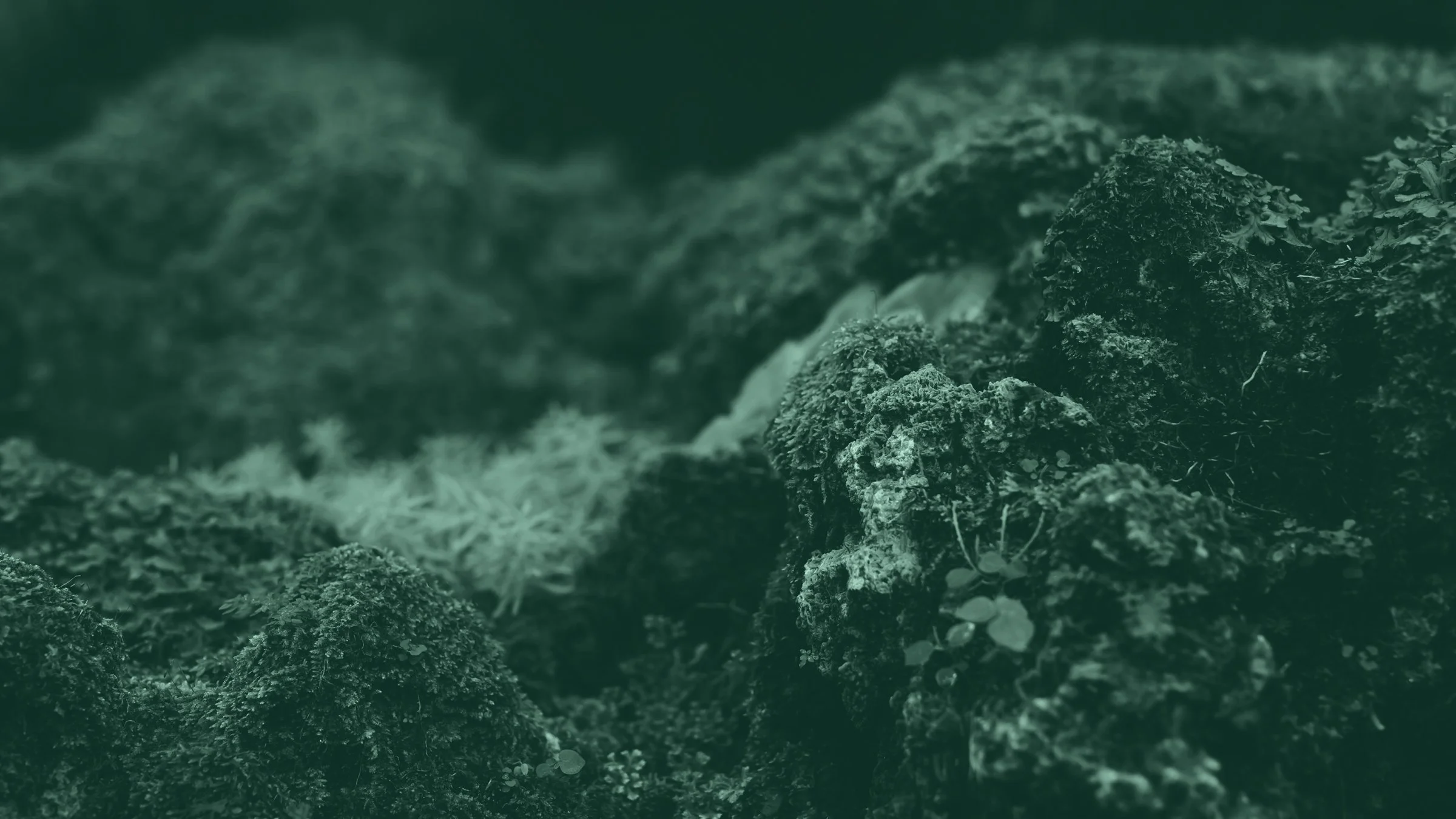
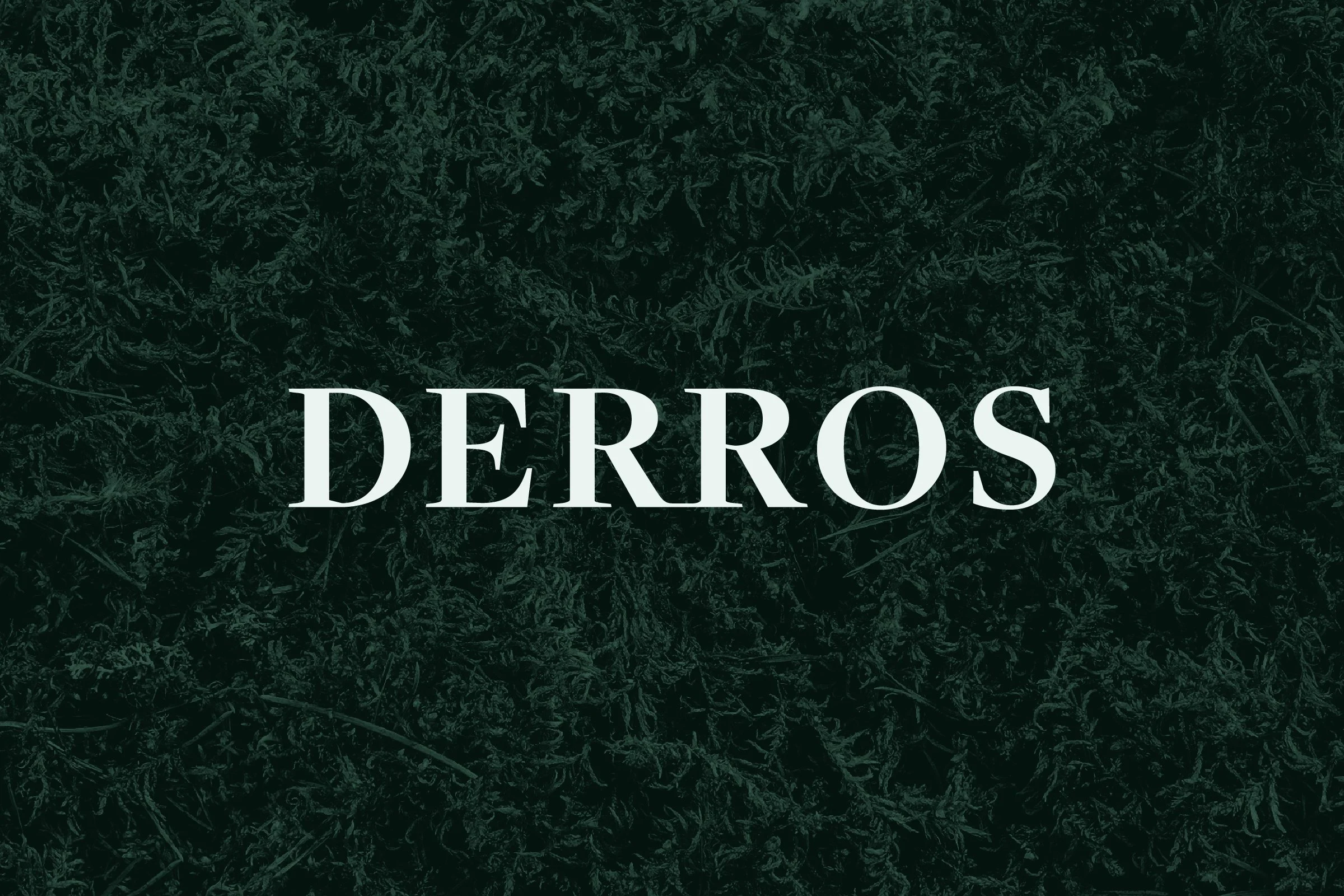
I’d like to dive deeper into moss, because why would moss provide an interesting image base for Derros?
There are some logical link with symbolism that can be made; mosses act as critical, resilient, ecosystem stabilisers, which sounds a lot like Derros.
Some research on the ecological roles of moss:
Water Management & Habitat: Moss sponges water, reduces soil erosion, and creates humid, shaded environments that are home to microorganisms like tardigrades.
Resilience: Moss can survive extreme dehydration for months or years, becoming dormant and reviving quickly with water.
Adaptability: They thrive in diverse, often shady or damp environments, including urban landscapes, and can grow on vertical surfaces.
Ecological Impact: They are pioneering organisms that break down rocks, aid in nitrogen fixation, and contribute significantly to carbon capture.
It is abstract, but visually intriguing. It’s also a positive conversation starter.
—
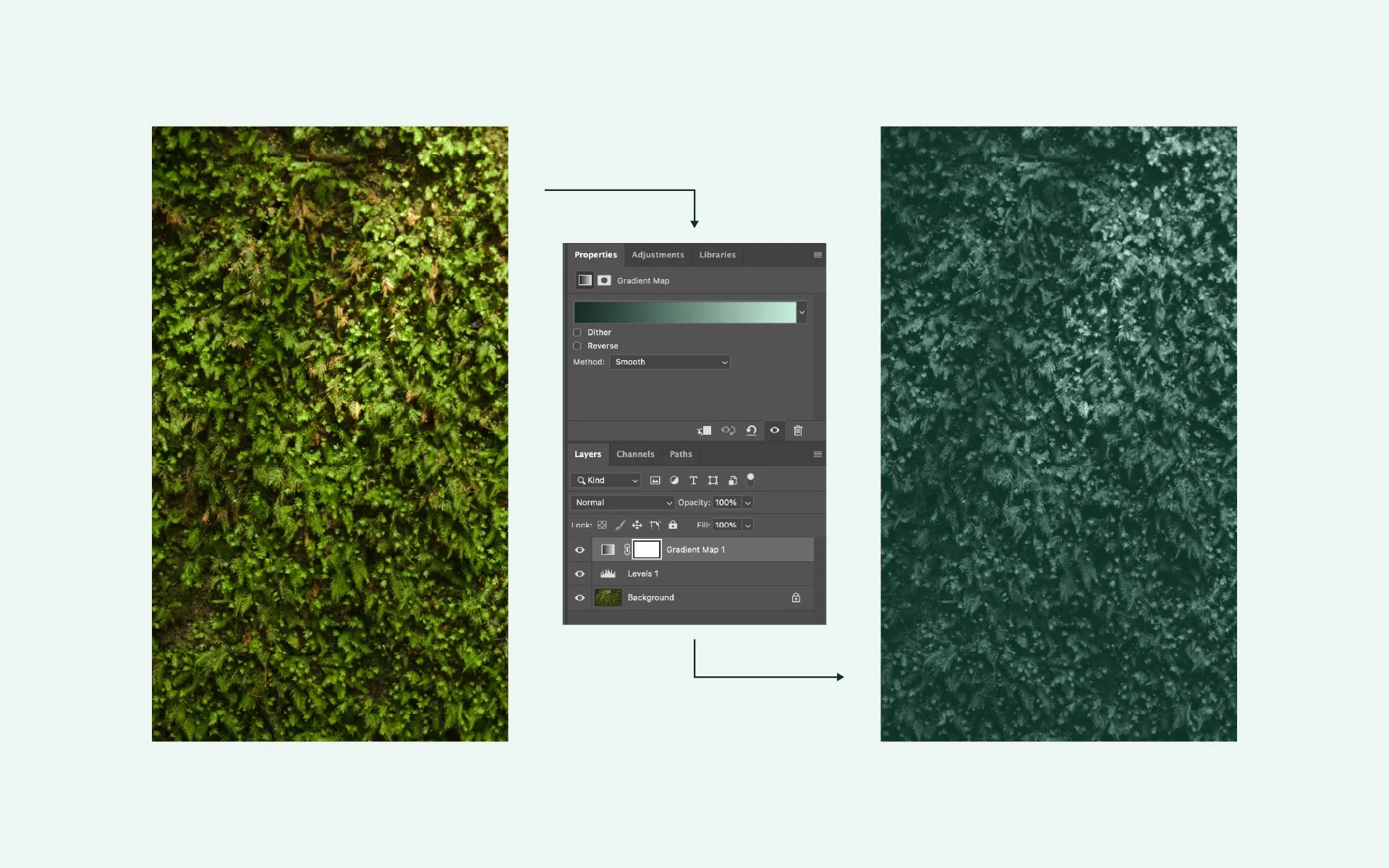
A brand colour treatment is also applied to the images so they reinforce the brand colour palette.
—
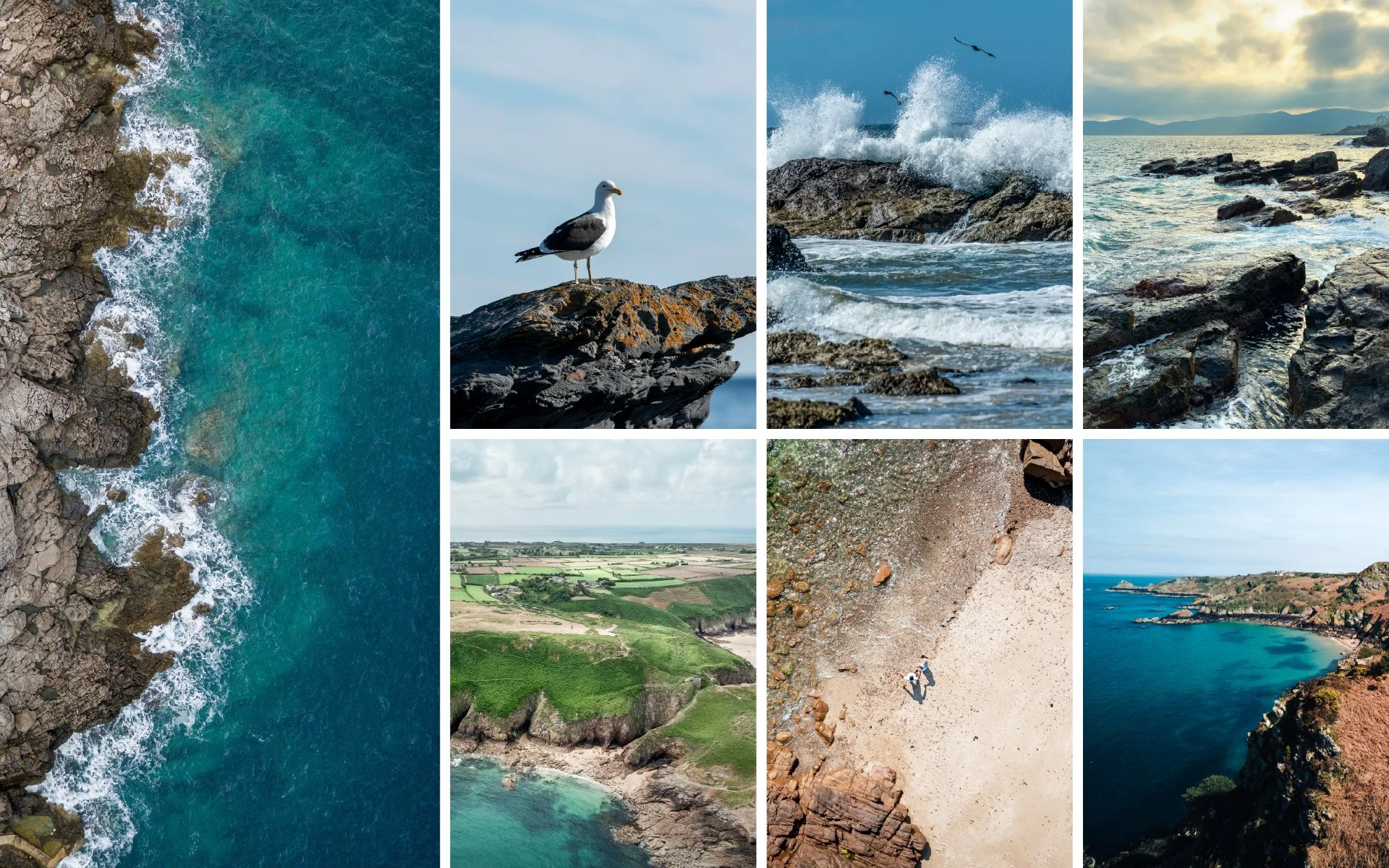
There is local, nature-based imagery to support longer documents when a change of pace is required to keep interest at its peak.